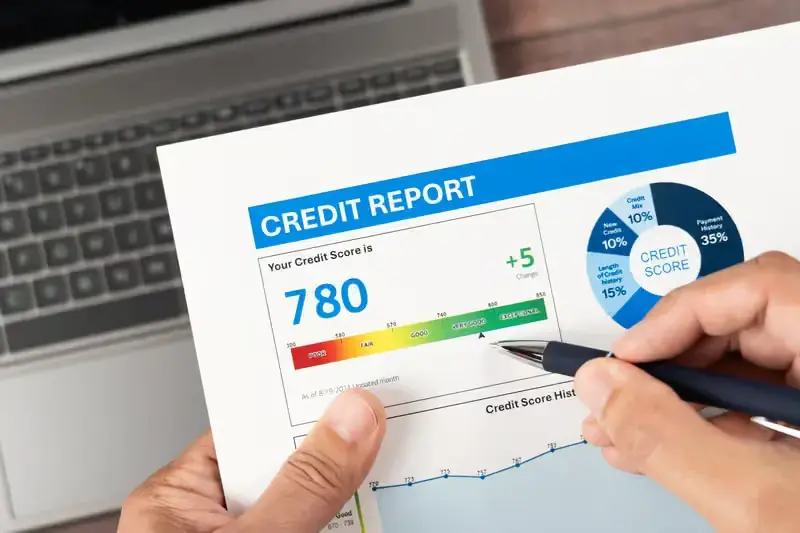

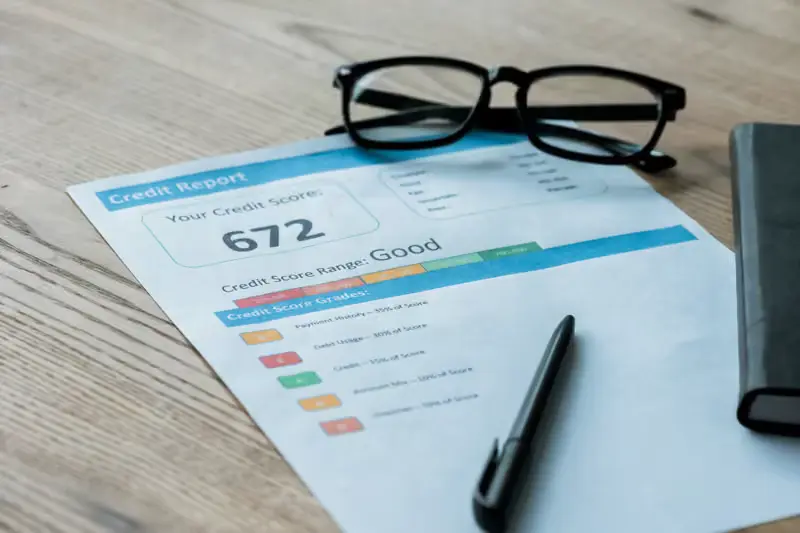
A credit report records your borrowing and repayment history, while scoring models use information from that report to estimate how likely you are to repay borrowed money. Understanding credit report scoring models helps you see why scores differ, how lenders assess applications, and what to do when your report contains errors. Regular monitoring, accurate reporting, and responsible money management can help you maintain a stronger credit profile.
Credit reports are important in personal finance because they influence access to loans, credit cards, mortgages, and other financial products. However, a report and a credit score are not the same thing. The report contains the underlying information, while a scoring model interprets selected details to produce a numerical assessment. Knowing how these systems work makes it easier to make informed financial decisions and challenge information that is incorrect.
What Is a Credit Report and Why Does It Matter?
A credit report is a record of your credit activity and financial repayment history. In the United States, the three major nationwide credit reporting agencies are Equifax, Experian, and TransUnion. They collect information from lenders, credit card companies, collection agencies, and other businesses that report account activity. Their reports can contain personal identification details, credit accounts, payment records, balances, inquiries, and certain public record information.
Lenders use credit reports to understand how an applicant has managed credit in the past. A report may show whether payments were made on time, how much debt remains outstanding, how long accounts have been open, and whether accounts have entered collections. This information helps creditors evaluate risk, although each lender can apply its own approval criteria.
A credit report can also affect financial decisions beyond borrowing. Landlords, insurers, and other organizations may use consumer report information where permitted by applicable law. The exact information they can access and how they can use it depends on the purpose and local regulations.
It is important to review reports from all three major agencies because their information may not be identical. A lender might report an account to one agency but not another. Updates may also reach the agencies at different times. As a result, one report could show a balance or payment status that differs from another.
For consumers, understanding credit report scoring models begins with knowing what information is actually recorded. A score cannot provide a complete picture of your finances. It is a calculated result based on selected information, while the report allows you to inspect the underlying accounts and payment history.
In the United States, consumers can obtain free reports through the federally authorized AnnualCreditReport.com service. Checking reports regularly helps identify unfamiliar accounts, inaccurate balances, incorrect personal details, and signs of possible identity theft.
How Do Credit Report Scoring Models Work?
Credit scoring models use statistical methods to evaluate information in a credit report and estimate the risk that a borrower may fail to repay a debt. They convert selected credit behaviors into a numerical score. A higher score generally indicates lower estimated lending risk, although lenders decide which scoring model and minimum requirements to use.
Credit report scoring models do not all calculate risk in exactly the same way. They can use different data, scoring ranges, and mathematical methods. Even when two models examine the same report, they may produce different results because they interpret the information differently.
What Factors Influence a Credit Score?
Payment history is one of the most important factors in many widely used scoring systems. It reflects whether you pay credit cards, loans, and other reported obligations on time. Late payments, defaults, collections, and serious delinquencies can damage a score because they suggest repayment difficulties.
Credit utilization is another major factor. It compares revolving credit balances with available limits. For example, if your credit card limit is $10,000 and your balance is $7,000, your utilization is 70%. A high ratio can indicate greater reliance on borrowed money. Paying down balances may improve this part of your credit profile, although the impact depends on the model and the rest of your report.
Other factors include the age of credit accounts, the mix of credit types, and recent applications for new credit. A longer history can provide more evidence of repayment behavior. A mix of responsibly managed revolving and installment accounts may also contribute positively under some models.
The exact importance of each factor varies. The Federal Trade Commission explains that scoring systems differ in the information they consider and how they weigh it. Consumers should therefore avoid treating one published percentage breakdown as a universal formula.
What Is the Difference Between FICO and VantageScore?
FICO and VantageScore are two major credit scoring systems used in the United States. FICO scores are developed by Fair Isaac Corporation, while VantageScore was created through a collaboration involving the three major credit reporting agencies.
Many commonly used FICO and VantageScore models have a range of 300 to 850, but not every scoring product uses that range. Their models can also differ in how they evaluate payment history, account age, utilization, and recent credit activity.
Some newer versions use additional information or different approaches to evaluating credit behavior. For example, VantageScore 4.0 can consider trended credit data, which reflects how balances and payment behavior change over time. This can provide a broader view than a single snapshot of account balances.
Mortgage lending is also evolving. As of September 2026, the Federal Housing Finance Agency reported that approved lenders could use either Classic FICO or VantageScore 4.0 for eligible loans sold to Fannie Mae and Freddie Mac, subject to their requirements. This illustrates why consumers should ask which model a lender uses rather than assuming every financial institution checks the same score.
Why Do Credit Scores Differ Between Providers?
Seeing different scores from different services does not automatically mean that one provider has made a mistake. A credit score depends on the scoring model, the credit reporting agency’s data, and the date the information was collected.
One service may show a FICO score based on an Experian report, while another displays a VantageScore calculated using TransUnion data. If the underlying reports contain different balances, account updates, or payment records, the resulting scores may differ.
The timing of updates is another important factor. Credit card companies and lenders usually report account information periodically, not continuously. If one agency receives a balance update before another, the scores generated from those reports may temporarily show different results.
Different scoring models may also treat the same information differently. One model might respond more strongly to recent payment behavior, while another may evaluate the length of credit history or revolving balances differently. Some lenders also use proprietary scoring systems designed for particular products or customer groups.
For this reason, credit report scoring models should be understood as tools for assessing risk, not as a single permanent measure of personal financial health. A score shown by a free monitoring service may not match the score a mortgage lender or credit card company obtains.
When reviewing your credit, focus on the information behind the number. Check whether balances are accurate, payments are correctly recorded, and accounts belong to you. If the report is accurate, concentrate on improving the underlying financial habits instead of chasing small score differences between apps.
How Can You Dispute Errors on a Credit Report?
Credit report errors can affect borrowing decisions and financial opportunities. Common problems include accounts that do not belong to you, incorrect payment statuses, outdated balances, duplicate debts, and inaccurate personal information. If you find an error, you have the right to dispute it with the relevant credit reporting agency and, where appropriate, the company that supplied the information.
A dispute should clearly identify the information you believe is wrong. Include the account details, explain the problem, and provide supporting documents where available. These might include payment confirmations, account statements, identity theft reports, or correspondence from the lender.
What Steps Should You Follow When Filing a Dispute?
Start by obtaining copies of your credit reports and identifying the specific entry that needs correction. Save a copy of the report and mark the incorrect information. Avoid disputing accurate negative information simply because it lowers your score. A legitimate late payment or unpaid debt does not become inaccurate because it is inconvenient.
Next, contact the credit reporting agency showing the error. You can generally submit a dispute online, by mail, or through another accepted method. Send a separate dispute to the company that provided the incorrect information when appropriate. Keep copies of your letters, documents, and confirmation numbers.
Under the US Fair Credit Reporting Act, credit reporting agencies generally must investigate qualifying disputes, usually within 30 days. Some investigations can take up to 45 days in certain circumstances. If the information is inaccurate or cannot be verified, it generally must be corrected or removed. The Consumer Financial Protection Bureau recommends disputing errors with both the reporting agency and the company that supplied the information.
After the investigation, review the result carefully. If the issue remains unresolved, you may submit additional evidence, contact the CFPB about a reporting problem, or consider legal assistance where appropriate. You can also request that a statement explaining your dispute be included in your file in circumstances allowed by law.
Remember that a dispute does not guarantee an immediate score increase. If the information is verified as accurate, it may remain on your report. The purpose of the process is to ensure that your credit history is complete and correct, not to remove legitimate financial obligations.
How Can You Manage Personal Finances to Improve Your Credit Profile?
Good credit management starts with consistent financial habits. Paying bills on time, keeping debt manageable, and reviewing account statements can help build a stronger credit history. Credit report scoring models reward certain patterns of responsible borrowing, but lasting financial stability should remain the main goal.
Payment reminders and automatic payments can reduce the risk of missing due dates. However, automatic payments should be monitored to ensure sufficient funds are available. Even a small missed payment can create unnecessary fees and potentially affect your credit record if it becomes reportable.
Managing credit card balances is equally important. Try to avoid using a large proportion of your available revolving credit. Paying balances in full when possible can help prevent interest charges, while reducing outstanding balances may improve utilization. You do not need to carry debt or pay interest to build a positive credit history.
Be selective when applying for new accounts. Several applications within a short period may lead to multiple hard inquiries, depending on the type of credit and how the scoring model treats them. Some rate-shopping inquiries for mortgages, auto loans, and student loans may be grouped within a model-specific period. Check the rules rather than assuming every inquiry has the same impact.
Budgeting also supports credit health. Track income, fixed expenses, debt payments, and savings. Build an emergency fund so unexpected costs do not force you to rely on high-interest borrowing. If you already have substantial debt, prioritize a realistic repayment strategy and contact creditors early if you are struggling to make payments.
Effective use of credit report scoring models means understanding how financial behavior affects your credit profile while keeping debt affordable. A strong score is useful, but it should never come at the cost of missing essential expenses or borrowing more than you can repay.
How Can You Monitor and Protect Your Credit Information?
Monitoring your credit reports helps you identify changes before they become larger problems. Review your accounts, balances, inquiries, and personal information regularly. If you notice an unfamiliar account or application, investigate it promptly because it could indicate identity theft or an administrative error.
Protecting personal information is equally important. Use unique passwords for financial accounts, enable multifactor authentication where available, and avoid sharing sensitive information through unsolicited calls or messages. Be cautious of websites that promise guaranteed score increases or claim they can erase accurate negative information.
A fraud alert can ask creditors to take additional steps to verify your identity before opening new credit in your name. A credit freeze offers stronger protection by restricting access to your credit file for most new-credit applications. In the United States, freezes are free to place and lift with the three major credit reporting agencies.
Consumers should also understand the limits of monitoring services. Alerts can tell you when certain changes appear, but they do not prevent every form of fraud or guarantee that all information is accurate. You remain responsible for reviewing reports and responding to suspicious activity.
As credit report scoring models continue to evolve, consumers should pay attention to the score type and data source shown by a monitoring service. A change in a score may reflect a different model, updated account information, or a genuine shift in credit behavior. Understanding the reason is more useful than reacting to the number alone.
Conclusion
A credit report provides a record of your borrowing activity, while scoring models use selected information to estimate credit risk. Understanding credit report scoring models helps explain why scores vary, what lenders may consider, and how accurate reporting supports better financial decisions.
Review your reports regularly, dispute information that is genuinely incorrect, pay bills on time, and keep borrowing within a manageable level. These habits can strengthen your financial position over time. A healthy credit profile is not built through shortcuts. It develops through accurate records, responsible credit use, and consistent personal finance management.
Frequently Asked Questions
1. What is the difference between a credit report and a credit score?
A credit report contains information about your accounts, payment history, balances, and inquiries. A credit score is a numerical calculation based on selected information from that report. Lenders may use different scoring models to assess your application.
2. Which credit scoring model do most lenders use?
Many US lenders use FICO scores, while others use VantageScore or proprietary systems. The model depends on the lender, product, and purpose of the application. Ask the lender which score it uses if you want to understand an approval decision.
3. How long does a credit report dispute take?
Under US federal law, most qualifying credit report disputes must be investigated within 30 days. Certain situations allow up to 45 days. The reporting agency should notify you of the investigation result and explain any changes made to your report.
4. Can disputing an error improve my credit score?
It can if an inaccurate negative item is corrected or removed and that information was affecting your score. However, a dispute does not guarantee an increase. If the information is verified as accurate, it may remain on your credit report.
5. How often should I check my credit report?
Reviewing your reports at least several times a year is a sensible habit. More frequent checks can help you spot unfamiliar accounts, inaccurate balances, or signs of identity theft. In the United States, free reports are available through AnnualCreditReport.com.