

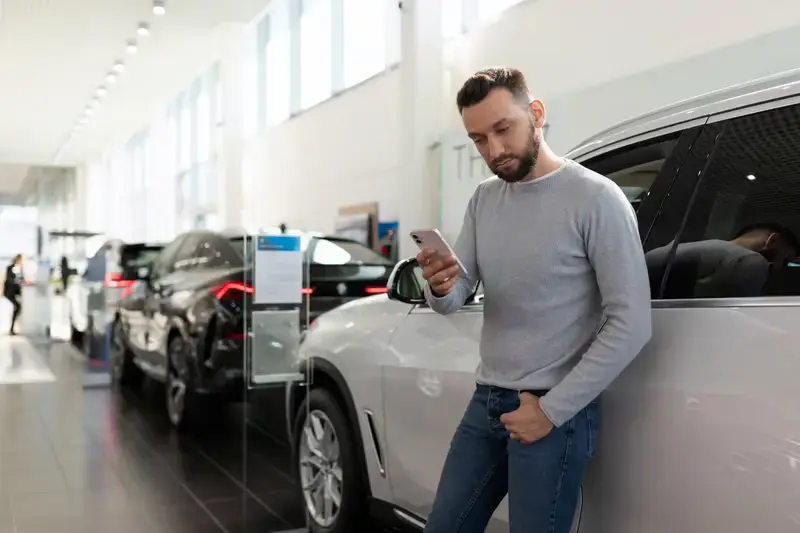
A potential car buyer might see a vehicle on social media, compare prices on a dealership website, read customer reviews, and visit a showroom before making a decision. Each interaction influences whether that person becomes a customer. For dealerships, successful advertising means connecting these moments rather than treating every campaign as a separate activity.
Car dealership advertising has changed significantly as buyers have gained more ways to research vehicles. Traditional newspaper promotions, radio spots, and outdoor signs still have a place in some markets. However, digital search, social media, online inventory listings, video content, and targeted campaigns now play a major role in attracting customers.
The real challenge is not simply generating more clicks or inquiries. It is reaching people with genuine purchase interest, giving them useful information, and making the transition from online research to showroom experience easy.
A strong advertising strategy combines clear messaging, accurate vehicle information, consistent follow-up, and measurable results. When these elements work together, dealerships can improve lead quality, strengthen customer relationships, and make better use of their marketing budgets.
Understanding the Modern Car Buyer Journey
Buying a vehicle is rarely an instant decision. Customers consider their budget, preferred features, financing options, running costs, safety, and resale value. Many compare several models and dealerships before arranging a test drive.
This creates a longer decision-making process than a simple online purchase. Advertising must support buyers at different stages rather than showing the same sales message to everyone.
Awareness, Consideration, and Purchase Intent
At the awareness stage, potential customers may not have selected a particular model. They might be exploring vehicle types, comparing fuel options, or researching their next family car. Educational videos, local campaigns, and useful social media content can introduce the dealership to these audiences.
During consideration, buyers become more specific. They may search for a particular model, compare available trims, check vehicle prices, or look for reviews. Inventory pages, comparison content, customer testimonials, and detailed vehicle descriptions help answer these questions.
Purchase-intent customers are closer to taking action. They may search for a dealership nearby, check vehicle availability, request a trade-in valuation, or book a test drive. At this stage, car dealership advertising should make the next step obvious.
Why Understanding Buyer Intent Matters
A campaign can attract thousands of visitors without generating meaningful sales opportunities. Someone watching a general automotive video may have no immediate intention of buying a vehicle. Another person searching for a specific model in their area may be much closer to visiting a showroom.
Dealerships should therefore measure the quality of traffic, not just its volume. Campaigns should be designed around the questions and actions that indicate genuine interest.
Building an Effective Car Dealership Advertising Strategy
An effective strategy begins with clear business objectives. A dealership may want to sell a specific vehicle range, increase test-drive appointments, promote certified pre-owned inventory, or attract customers to a new showroom.
Each objective requires a different campaign structure. Promoting a new model to a broad audience is not the same as finding buyers for a particular used vehicle.
Define Your Target Audience
Start by identifying the customer groups most relevant to the dealership’s inventory and location. These may include first-time buyers, families, commuters, luxury vehicle shoppers, business owners, or customers looking for affordable used cars.
Avoid relying on broad assumptions. Use available customer information, past inquiries, sales patterns, and local market research to understand what buyers actually need.
For example, a dealership selling compact vehicles may focus on affordability, fuel efficiency, parking convenience, and ownership costs. A premium dealership may emphasize comfort, technology, performance, and personalized service.
The message should reflect the buyer’s priorities rather than simply listing the vehicle’s most impressive features.
Create Clear and Consistent Campaign Messages
A strong advertisement communicates one main benefit and one clear action. It should tell customers what is being offered, why it may be relevant, and how they can learn more.
For example, an advertisement for a used family SUV might highlight its seating capacity, available safety features, mileage, and inspection status. A short call to action could invite shoppers to view the vehicle or schedule a test drive.
Consistency matters across channels. If a social media advertisement promotes a particular price, the landing page and showroom team should communicate the same offer. Conflicting information creates doubt and can damage trust.
Using Digital Channels to Attract Qualified Buyers
Digital platforms allow dealerships to reach customers who are actively researching vehicles as well as people who may be interested in a future purchase. The strongest channel mix depends on local competition, inventory, customer behavior, and campaign goals.
Search Engine Marketing and Local SEO
Search advertising helps dealerships appear when people search for specific vehicles, services, or local automotive businesses. Queries such as “used cars near me,” “SUV dealership in [city],” or a specific make and model can indicate strong purchase interest.
Campaigns should direct users to relevant pages. Someone searching for a used sedan should not land on a generic homepage containing hundreds of unrelated vehicles.
Local search optimization also supports long-term visibility. Dealerships should maintain accurate business details, opening hours, location information, and contact options. Vehicle pages should include useful descriptions, current availability, specifications, and clear images.
Local customer reviews also influence buyer confidence. Encourage genuine feedback after completed purchases or service visits, and respond professionally to both positive and negative experiences.
Social Media Advertising
Social platforms offer dealerships opportunities to display inventory, introduce new models, share customer experiences, and promote events.
Visual content is especially useful in automotive marketing. A short video can show a vehicle’s exterior, interior, storage space, dashboard, and key features. This gives buyers more information than a generic promotional graphic.
Car dealership advertising on social platforms should also reflect the stage of the buyer journey. Broad educational content can introduce the dealership, while vehicle-specific promotions can reach people who have already shown interest.
Avoid publishing the same creative repeatedly without testing alternatives. Compare different images, headlines, video lengths, and calls to action. Use the results to understand what generates qualified inquiries rather than judging performance by likes alone.
Video Marketing and Virtual Showroom Experiences
Video helps customers examine vehicles before visiting a physical location. Walkaround demonstrations, feature explanations, comparison videos, and salesperson introductions can answer common questions.
A useful vehicle video should show the actual car being advertised. Include clear footage of the exterior, cabin, dashboard, tires, and relevant features. Explain any visible condition issues honestly, especially for used vehicles.
Virtual tours can also help customers who live farther away or have limited time. They do not replace a physical inspection or test drive, but they can make early research more convenient.
Creating an Omnichannel Advertising Funnel
Omnichannel marketing connects customer experiences across digital and physical channels. It is more than advertising on several platforms. The goal is to make each interaction feel connected, even when customers move between a website, social media account, phone call, messaging service, and showroom.
For dealerships, this connection can prevent leads from being lost between marketing and sales teams.
Connect Advertising With Inventory Pages
Every vehicle campaign should lead to an accurate destination. If an advertisement features a particular model, its landing page should show the same vehicle, price, specifications, photographs, and availability status.
A poor landing page creates unnecessary friction. Customers should not have to search through an entire inventory section to find the car they originally clicked on.
Include practical details such as financing information where appropriate, trade-in options, dealership location, and a visible test-drive request.
Make Lead Follow-Up Consistent
A customer who submits an inquiry expects a useful response. Delayed replies can reduce interest, especially when the buyer is comparing several dealerships.
A customer relationship management system can help organize inquiries from different channels. It can record customer preferences, requested vehicles, communication history, and follow-up tasks.
However, technology alone does not guarantee a good customer experience. Sales teams need clear processes for responding, answering questions, confirming availability, and arranging appointments.
A helpful first response should address the actual inquiry. If someone asks whether a particular vehicle is available, confirm its status before sending a generic sales message.
Maintain a Consistent Experience Across Channels
Imagine a buyer who sees a vehicle advertisement, asks a question through social media, and later calls the dealership. If each employee has to ask the customer to repeat every detail, the experience feels disconnected.
A shared lead record can reduce this problem. It allows staff to understand previous interactions and continue the conversation naturally.
The same principle applies to offers and pricing. Advertising, website content, and showroom communication should reflect the same terms. This is an important part of building trust throughout the buying process.
Turning Showroom Visits Into Sales Opportunities
Digital campaigns can bring customers to the dealership, but the showroom experience often determines whether they move closer to a purchase.
Advertising should therefore prepare the sales team for the expectations created by each campaign.
Make Test Drives Easy to Arrange
A test drive is a valuable step because it allows customers to assess comfort, handling, visibility, and driving experience. The appointment process should be simple.
Provide clear booking options through the website, phone, or approved messaging channels. Confirm the requested vehicle, appointment time, and any necessary requirements before the visit.
If the advertised vehicle is unavailable, tell the customer in advance. Offer a suitable alternative only when it genuinely matches their needs.
Train Sales Teams to Continue the Advertising Message
Sales representatives should understand the promotions and claims used in current campaigns. If an advertisement highlights a particular feature or offer, staff should be prepared to explain its conditions accurately.
The conversation should focus on the customer’s needs rather than immediately pushing for a purchase. Asking about budget, driving habits, preferred features, and intended use helps salespeople recommend relevant options.
This consultative approach makes the showroom experience more useful and reduces the risk of mismatched recommendations.
Improve the Physical Showroom Experience
A clean, organized showroom makes it easier for customers to compare vehicles. Important specifications, pricing information, and available offers should be easy to understand.
Staff should also respect the customer’s time. Unnecessary waiting, unclear paperwork, and repeated requests for information can weaken the positive impression created by advertising.
Car dealership advertising works best when the real customer experience supports the promises made in campaigns.
Measuring Campaign Performance and Return on Investment
Marketing performance should be evaluated through business outcomes, not just platform engagement. A campaign with a low cost per click may still perform poorly if visitors rarely submit inquiries or schedule appointments.
Dealerships need a measurement system that connects advertising activity with sales opportunities.
Track the Metrics That Matter
Important metrics include:
-
Cost per qualified lead: The advertising cost associated with generating a genuine sales opportunity.
-
Lead-to-appointment rate: The percentage of suitable inquiries that become showroom or test-drive appointments.
-
Appointment show rate: The proportion of booked appointments that customers actually attend.
-
Test-drive-to-sale rate: The share of test drives that lead to vehicle purchases.
-
Cost per sale: The marketing expenditure required to generate a completed sale.
These figures help identify where a campaign or sales process needs improvement.
For example, a dealership may generate many leads but receive few showroom visits. The issue could involve slow follow-up, unclear offers, or poor appointment scheduling. Increasing the advertising budget would not necessarily solve the problem.
Use CRM and Analytics Tools Together
Website analytics can reveal how customers interact with landing pages and inventory listings. Advertising platforms provide campaign-level information, while CRM systems help track inquiries through the sales process.
Combining these sources provides a more complete picture. It helps dealerships identify which campaigns generate customers who actually buy vehicles.
Attribution should be treated carefully. Buyers may interact with several channels before purchasing, so assigning the entire sale to the final click can create misleading conclusions.
Review performance over a suitable period and consider the complete customer journey where reliable data is available.
Common Advertising Mistakes Dealerships Should Avoid
One frequent mistake is advertising vehicles that are no longer available. Outdated inventory creates frustration and wastes campaign spending. Inventory feeds and regular manual checks can help keep promotions accurate.
Another mistake is using vague offers. Phrases such as “best deal” or “lowest price” are less useful than clear information about the vehicle, offer conditions, and applicable dates. Any pricing, financing, warranty, or discount claim should be accurate and supported by its terms.
Dealerships also sometimes focus too heavily on discounts. Price promotions can attract attention, but customers may also care about vehicle condition, service history, warranty coverage, financing clarity, and after-sales support.
Finally, avoid treating every lead as equally valuable. A person casually browsing vehicle images may have different needs from someone requesting a test drive for a specific model. Follow-up should reflect customer intent rather than relying on repeated generic messages.
Conclusion
Successful car dealership advertising connects the entire customer journey, from the first online impression to the showroom conversation and final purchase. It requires more than attractive promotions or a large advertising budget. Dealerships need relevant campaigns, accurate inventory information, responsive lead management, and a sales experience that matches their marketing promises.
The most effective approach combines search visibility, social media, video, local marketing, and connected customer communication. Each channel should serve a clear purpose and support the next stage of the buying process.
Dealerships should also measure qualified leads, appointments, test drives, and completed sales. These insights reveal where customers lose interest and where improvements can produce better results.
When car dealership advertising is built around customer needs and supported by reliable sales processes, it becomes a practical tool for building trust, attracting serious buyers, and generating sustainable dealership growth.